
The internet has no shortage of communities, but not all of them foster genuine connection. As mainstream platforms grow larger, conversations become fleeting, and meaningful engagement often gets buried under endless streams of posts, ads, and distractions. Micro-communities, on the other hand, provide something people crave — focus, intimacy, and relevance.
These smaller, niche-driven groups cut through the noise and create safe spaces where people can express themselves freely without feeling drowned out. Instead of shouting into a crowd of millions, members find themselves part of a close-knit circle where conversations matter and every interaction adds value.
From a brand perspective, this is a game-changer. Traditional mass marketing casts a wide net, hoping to catch the attention of as many people as possible. But today’s consumers expect more — they want personalization, relevance, and brands that truly understand them. Micro-communities allow businesses to shift from broadcasting messages to building relationships. By listening to what people care about and engaging in authentic conversations, brands earn trust and loyalty that generic ads simply can’t deliver.
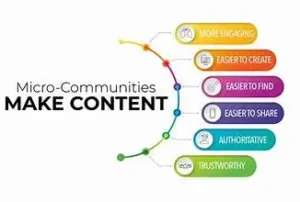
What Are Micro-Communities?
Micro-communities are niche groups within larger social platforms or standalone spaces where people gather around a shared interest, identity, or purpose. Unlike broad audiences, these groups are intentionally smaller, making them more interactive, collaborative, and authentic.
Micro-communities often form around:
-
Shared hobbies –
-
such as fitness, photography, or gaming.
-
Common lifestyles –
-
like sustainability, minimalism, or veganism.
-
Professional niches –
-
including digital marketing, design, or entrepreneurship.
-
Brand-centered groups –
-
exclusive clubs, loyalty programs, or fan-driven spaces.
What sets them apart is the level of participation. In traditional communities, people often consume content passively. In micro-communities, members actively engage, share experiences, and co-create value. This two-way interaction builds stronger emotional connections and a deeper sense of belonging.
For businesses, tapping into micro-communities means unlocking powerful opportunities: more authentic engagement, real-time feedback, and long-term brand advocacy. In a digital landscape increasingly dominated by algorithms and automation, these small, intentional groups remind us of what social media was meant to be — human, connected, and meaningful.
Why Micro-Communities Are Growing
Several factors are fueling the rise of micro-communities in 2025 and beyond:
-
Social Media Saturation
Platforms like Facebook, Instagram, and TikTok may boast billions of users, but with such massive reach comes a significant drawback: audiences often feel lost in the noise. Social feeds are saturated with ads, endless streams of content, influencer promotions, and competing voices, making it increasingly difficult for genuine interactions to take place.
For many users, this results in content fatigue, disengagement, and a sense of anonymity. While the platforms provide endless entertainment and opportunities for discovery, the overwhelming amount of information can make it hard for individuals to form meaningful connections. As a result, users are more likely to scroll passively rather than actively engage, leaving brands struggling to capture attention or build lasting relationships.
This is precisely why micro-communities have gained so much importance in today’s digital landscape. Unlike massive social networks where one-way communication dominates, micro-communities offer focused, smaller spaces where meaningful conversations thrive. These communities allow members to connect over shared interests, values, or goals, creating an environment where every voice matters.
For brands, micro-communities present an opportunity to cut through the digital clutter. By engaging with highly targeted audiences, businesses can foster trust, authenticity, and loyalty — elements that are often lost in larger, impersonal networks. Instead of casting a wide net and hoping for engagement, brands can participate in two-way conversations, gather valuable insights, and co-create experiences that resonate deeply with community members.
In an era where authenticity and relevance are more valuable than ever, micro-communities offer a solution: small, intentional spaces that empower users to feel heard and brands to form meaningful, long-term relationships
disconnection, content fatigue, and lack of meaningful engagement.
This is where micro-communities stand apart. Unlike broad social networks, micro-communities are safe, focused spaces built around shared interests, passions, or values. By narrowing the scope, they filter out the distractions and noise of larger platforms, allowing members to engage in deeper, more relevant conversations.
For individuals, micro-communities provide a sense of belonging and trust. Whether it’s a small group of fitness enthusiasts, a professional network on LinkedIn, or a niche hobby group on Discord, these communities foster genuine relationships where members feel heard and valued. The result is a far more authentic and rewarding online experience.
For brands, the value is even greater. Instead of broadcasting to a broad, disengaged audience, businesses can connect with highly targeted groups that are already invested in the conversation. This makes interactions more meaningful, increases trust, and builds stronger customer loyalty over time.
In a digital world dominated by algorithms and mass marketing, micro-communities offer something rare — intimacy and authenticity. They are proof that smaller, focused networks can often have a bigger impact than the largest platforms
-

-
Trust and Authenticity
Consumers today crave authentic engagement. They’re more likely to trust peer recommendations and conversations within a community than traditional ads.
Desire for Belonging
Humans naturally seek connection. Micro-communities provide a sense of identity and belonging that large, anonymous networks can’t replicate.
Rise of Niche Marketing
Brands now realize that targeting smaller, well-defined groups can yield higher engagement and loyalty than broadcasting generic messages to everyone.
Technology Enablers
Platforms like Discord, Slack, LinkedIn Groups, and private Facebook or WhatsApp groups make creating micro-communities easier than ever.
Benefits of Micro-Communities for Brands
1. Deeper Customer Relationships
Micro-communities foster two-way communication. Instead of broadcasting messages, brands engage in conversations, listen to feedback, and co-create value with customers.
2. Higher Engagement Rates
Members of micro-communities are highly invested. This leads to stronger engagement with content, more meaningful discussions, and higher participation in campaigns.
3. Trust & Loyalty
Since micro-communities emphasize authentic interactions, they naturally build trust. Over time, this translates into stronger brand loyalty and advocacy.
4. Valuable Insights
Communities act as real-time focus groups. Brands can learn about customer needs, challenges, and aspirations directly from members, shaping better products and services.
5. Word-of-Mouth Amplification
Happy and engaged community members become natural brand advocates, spreading positive word-of-mouth across their networks.
Micro-Community Trends Every Brand Should Watch
1. Private and Encrypted Spaces
Consumers are increasingly moving toward private platforms like WhatsApp, Telegram, and Discord for community interactions. Privacy and exclusivity are now selling points for engagement.
2. Purpose-Driven Communities
People are joining communities that align with their values and beliefs — whether it’s sustainability, diversity, or mental health. Purpose-driven micro-communities help brands connect with like-minded audiences authentically.
3. Creator-Led Communities
Influencers and content creators are shifting from mass followings to exclusive communities. Platforms like Patreon and Substack enable them to build closer, more loyal audiences — and brands are collaborating within these spaces.
4. Gamification & Engagement Tools
To keep communities active, brands are adding gamified experiences such as badges, rewards, and challenges. This keeps members motivated and encourages ongoing participation.
5. Integration with Social Commerce
Micro-communities are not just for engagement — they’re becoming powerful social commerce hubs. Brands are launching exclusive product drops, discounts, and experiences directly within these groups.
How to Build a Successful Micro-Community
Define Your Purpose –
A strong community starts with a clear “why.” What value will members gain by joining?
Choose the Right Platform –
Select platforms that suit your audience (Discord for Gen Z, LinkedIn for professionals, WhatsApp for local groups).
Create Exclusive Value –
Offer something unique: early access, insider tips, special discounts, or behind-the-scenes content.
Encourage Active Participation –
Use polls, Q&As, challenges, and user-generated content to keep conversations flowing.
Empower Community Leaders –
Identify and empower super-users or ambassadors to guide discussions and maintain engagement.
Listen and Evolve –
Treat micro-communities as living ecosystems. Listen to feedback and evolve the community to stay relevant.
Challenges of Micro-Communities
While powerful, micro-communities also present challenges:
Scalability –
Managing multiple small communities can be resource-intensive.
Moderation –
Maintaining positive, respectful spaces requires active moderation.
Authenticity Pressure –
Members expect genuine interactions; overly promotional messaging can drive them away.
Measuring ROI –
Unlike direct sales channels, the impact of community engagement can be harder to quantify.
The Future of Micro-Communities
Micro-communities will continue to shape the future of authentic online engagement. As AI, AR, and personalization tools evolve, these groups will become even more immersive and meaningful.
In the future, expect:
-
Hyper-personalized experiences driven by AI insights.
-
Integration with Web3 & decentralized platforms for stronger ownership and privacy.
-
Hybrid communities combining online and offline experiences.
-
Community-led product innovation, where customers actively shape what brands create next.
Final Thoughts
As digital spaces become increasingly crowded, micro-communities are emerging as the future of meaningful engagement. They empower people to connect authentically, share ideas, and feel a true sense of belonging. For brands, they offer a golden opportunity: not just to sell, but to listen, collaborate, and grow alongside their customers.
In an era where consumers value authenticity over advertisements, micro-communities are more than a marketing strategy — they are the foundation of lasting relationships and brand loyalty.
For businesses ready to thrive in the next wave of digital marketing, the message is clear: the future of online engagement is micro.